


How to Maintain Accuracy in Oscilloscopes and Electrical Testing Instruments
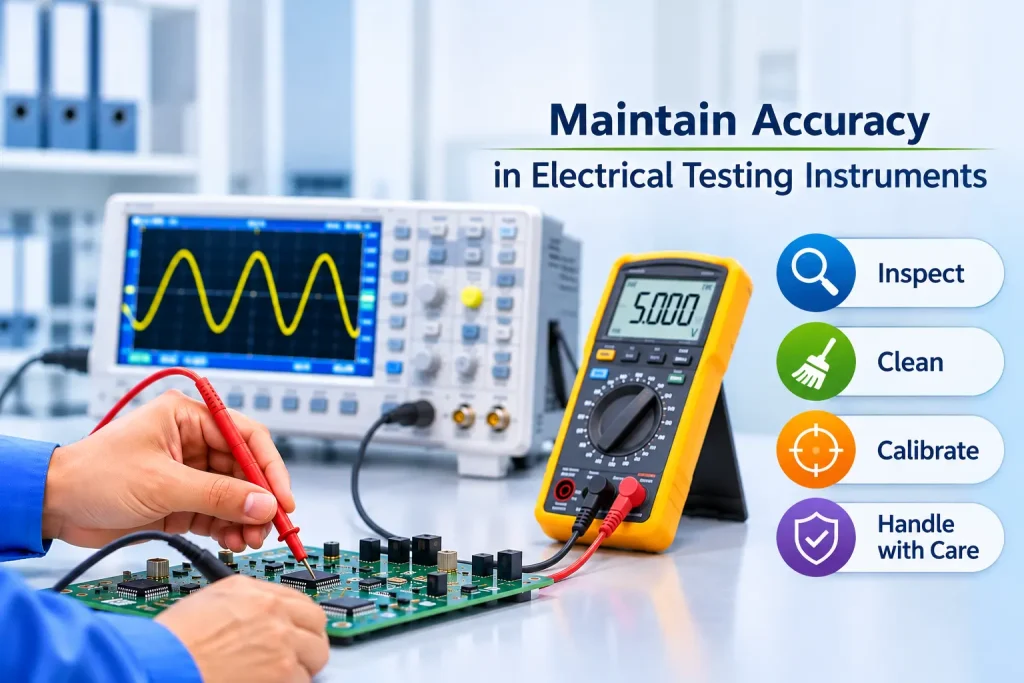
Accurate electrical readings are essential for troubleshooting, equipment testing, and quality control across various industries. Oscilloscopes, digital multimeters, clamp meters, and insulation testers are widely used electrical testing instruments that help technicians examine electrical signals and evaluate circuit conditions. However, regular use, environmental changes, and improper handling can affect their reliability. Proper care and scheduled verification help keep these devices dependable over time.
Why Electrical Instrument Accuracy Matters
Reliable readings allow engineers and technicians to identify electrical faults, assess circuit behaviour, and check equipment functionality. Incorrect results may lead to faulty troubleshooting, unnecessary repairs, or unsafe operating conditions.
In manufacturing facilities and testing laboratories, dependable data also supports product quality and compliance with technical requirements. Consistent results help professionals make informed decisions and reduce the possibility of incorrect testing outcomes.
Common Factors Affecting Measurement Accuracy
Several factors may affect the reliability of electrical test results:
- Component ageing: Electronic components may change their characteristics over time, influencing the device’s overall performance.
- Temperature and humidity: Environmental variations can affect sensitive electronic circuits and produce inconsistent readings.
- Electrical interference: Electromagnetic noise may distort signals and cause unstable displays.
- Probe and cable condition: Damaged connectors, worn cables, or unsuitable probes can introduce measurement errors.
- Improper handling: Physical shocks, incorrect settings, and electrical overloading may affect equipment functionality.
7 Ways to Maintain Oscilloscope and Testing Instrument Accuracy
Following consistent maintenance practices helps preserve equipment condition and minimise avoidable testing errors.
1. Perform Regular Visual Inspections
Examine the instrument body, display, connectors, probes, and cables before use. Look for cracks, loose connections, damaged insulation, or other visible defects. Identifying these issues early helps prevent unreliable results and potential safety risks.
2. Use Suitable Probes and Accessories
Select probes and test leads that match the device specifications and testing requirements. For oscilloscopes, ensure the probe attenuation setting corresponds with the channel configuration. Compatible accessories help maintain signal quality and prevent unnecessary measurement variations.
3. Follow Proper Operating Procedures
Use appropriate measurement ranges, voltage settings, trigger controls, and connection methods. Refer to the manufacturer’s instructions before performing unfamiliar tests. Correct operating practices reduce the possibility of incorrect readings and accidental equipment damage.
4. Keep Instruments Clean
Dust and contaminants can accumulate around connectors, cooling openings, and external components. Clean equipment using manufacturer-approved materials and methods. Avoid excessive moisture or unsuitable chemicals that may damage sensitive electronic parts.
5. Control Environmental Conditions
Operate equipment within the recommended temperature and humidity limits. Excessive heat, moisture, and sudden environmental variations can influence electronic characteristics. Maintaining suitable working conditions helps ensure stable operation.
6. Avoid Electrical Overloading
Never exceed the specified voltage, current, or input protection limits. Check circuit conditions before connecting test leads or probes. Following electrical safety ratings helps protect internal components and reduces the risk of permanent damage.
7. Maintain Equipment Records
Keep records of inspections, maintenance activities, operational issues, and previous calibration results. These documents help track changes over time, identify recurring problems, and establish suitable maintenance schedules.
Importance of Regular Calibration
Routine maintenance alone cannot confirm whether an instrument provides accurate readings. Periodic calibration compares its performance against suitable, traceable reference standards under controlled conditions. Oscilloscope calibration helps identify measurement deviations and determine whether the equipment operates within its specified tolerances.
Oscilloscopes, digital multimeters, clamp meters, and insulation testers require periodic verification based on usage, manufacturer recommendations, and applicable quality requirements. Choosing professional calibration services helps verify equipment performance, provides greater confidence in test results, and supports consistent quality management.
Conclusion
Keeping oscilloscopes and other electrical testing equipment reliable requires proper handling, routine inspections, suitable working conditions, and scheduled verification. These practices help minimise testing errors, protect sensitive components, and support dependable electrical measurements.
Need dependable results from your electrical testing equipment? Contact our calibration experts to discuss your requirements and get professional support for instrument verification.
FAQS
How can you maintain oscilloscope accuracy?
Maintain oscilloscope accuracy through regular inspections, proper probe selection, suitable operating conditions, correct settings, and periodic calibration against traceable reference standards.
How often should electrical testing instruments be calibrated?
Calibration intervals depend on equipment usage, manufacturer recommendations, operating conditions, historical performance, and applicable quality requirements. Regular reviews help establish suitable schedules.
What is the difference between instrument maintenance and calibration?
Maintenance involves cleaning, inspection, and servicing, whereas calibration compares instrument readings against traceable reference standards to evaluate measurement deviations and performance.
